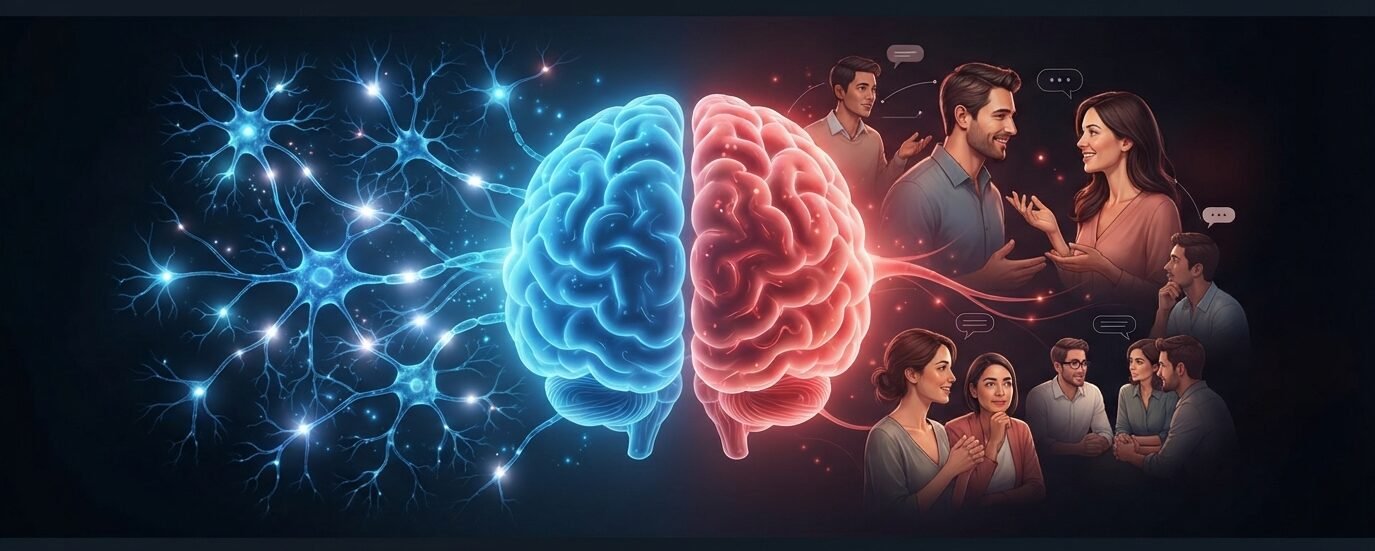
Why Do We Procrastinate Even When We Know Better?
You know what you need to do. You know it matters. You may even know how to stop procrastinating. But somehow, you still find yourself checking your phone, watching another video, cleaning your desk, or doing anything except the task you should be doing.
So, why do we procrastinate even when we know better?
The answer is more complex than laziness. Procrastination is closely connected to human behavior, psychology, motivation, emotional regulation, self-control, and decision-making.
When a task feels difficult, boring, overwhelming, or uncertain, it can trigger stress, anxiety, fear of failure, perfectionism, frustration, or mental fatigue. Instead of facing that uncomfortable feeling, we look for something easier. Checking social media, answering messages, or doing a simple task can provide an immediate sense of relief.
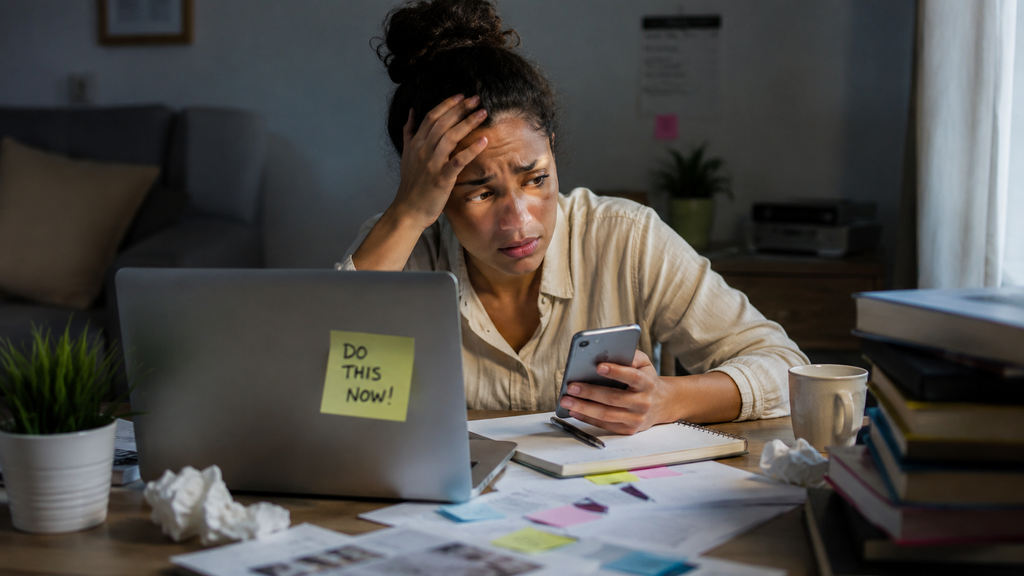
And this is where the psychology of procrastination becomes especially interesting.
Your brain does not always choose what is best for your future. It often responds to what feels better right now. This is known as present bias. The immediate reward of avoiding an unpleasant task can feel more powerful than the future reward of completing it.
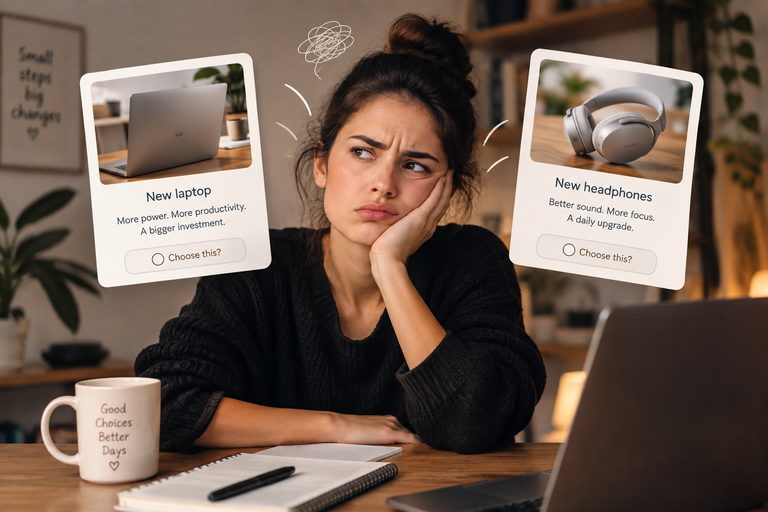
You may know that studying will help your career. You may know that finishing a project will reduce your stress. You may even know that scrolling for another hour will make you feel guilty later. Still, instant gratification can win the battle against delayed gratification.
This creates a cycle: discomfort leads to avoidance, avoidance brings temporary relief, and that relief reinforces the procrastination habit. Later, guilt and stress appear, making the next attempt feel even harder.

That is why procrastination is not simply a time management problem. It can also be an emotional regulation problem.
Understanding why we procrastinate, how brain and behavior interact, and what triggers procrastination behavior can help us break the cycle.
A Better Question
Instead of asking, “Why am I so lazy?”
Ask yourself:
“What am I trying to avoid feeling right now?”
That question changes the way we look at procrastination. Once we understand what is happening beneath the behavior, we can stop fighting ourselves and start changing the pattern. Understanding your brain, emotions, and behavior is where real change begins.
I know that overcoming procrastination is not easy. And it is rarely a battle we win all at once.
Changing deeply rooted patterns takes time, awareness, and the right approach. Trying to navigate this journey alone, without practical strategies or a clear understanding of what drives your behavior, can make the process feel even more challenging.
That is why I decided to bring together insights from more than 10 years of experience working with human behavior, emotional development, conflict resolution, and personal growth into a practical guide designed to help you better understand your patterns and take meaningful steps toward change.
Because overcoming procrastination is not about becoming a completely different person.
It is about learning how to work with yourself, instead of constantly fighting against yourself.
Read more: Want to understand the psychology behind procrastination? Discover why we procrastinate and what may be happening beneath this behavior.
👉 Why Do We Procrastinate? The Psychology Behind Procrastination

2 Comentários